 2026-09-22 · Reinventy
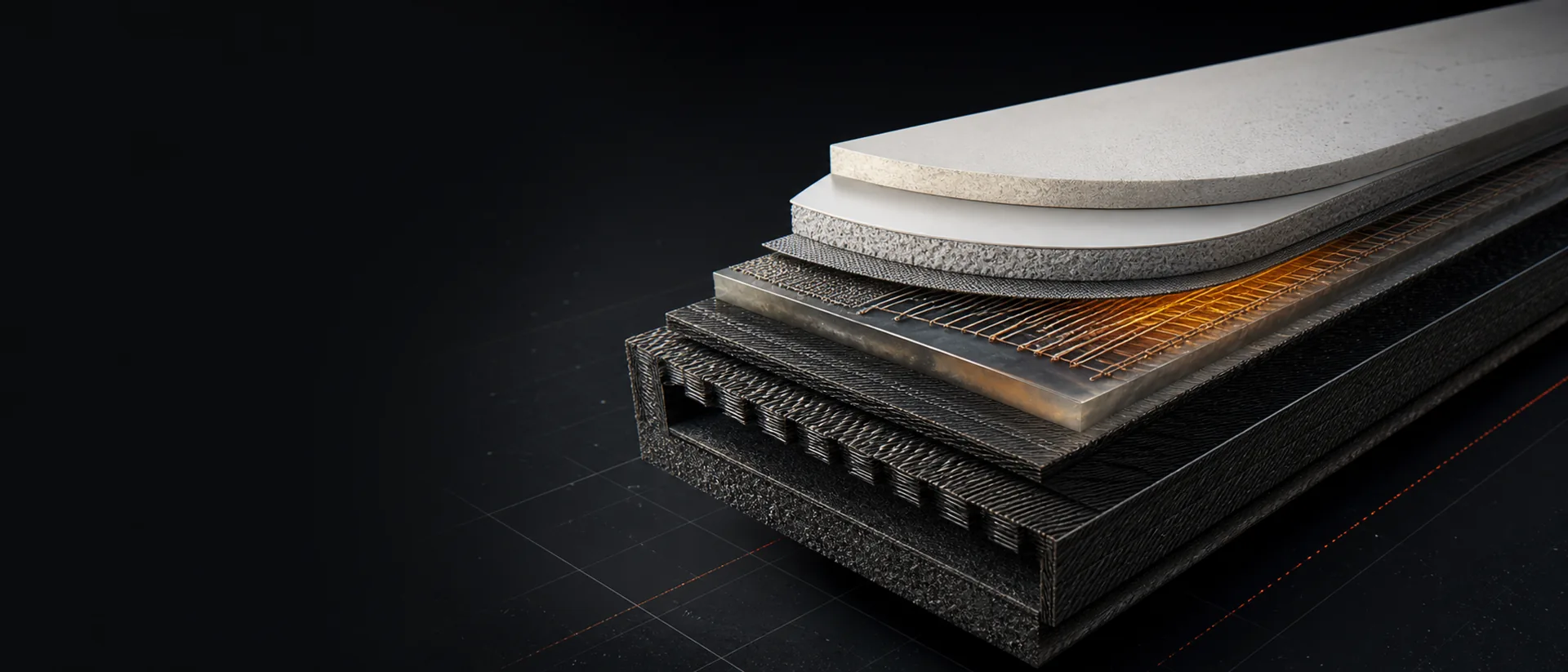
ANIMA is Reinventy's governed research and development programme for multifunctional material architectures. It explores how structural behaviour, sensing, energy management and thermal response can be treated as one coordinated design problem instead of separate subsystems. The programme uses explicit evidence gates to distinguish simulation, design intent, manufactured prototypes and physically validated performance. Its purpose is to shorten the path from a material concept to an auditable engineering decision while preserving traceability across models, tests and revisions. Public descriptions cover the operating principles and intended applications; formulations, process parameters, datasets and proprietary implementation details remain protected. Current results remain research-stage until supported by physical validation.
Read the full technology profile →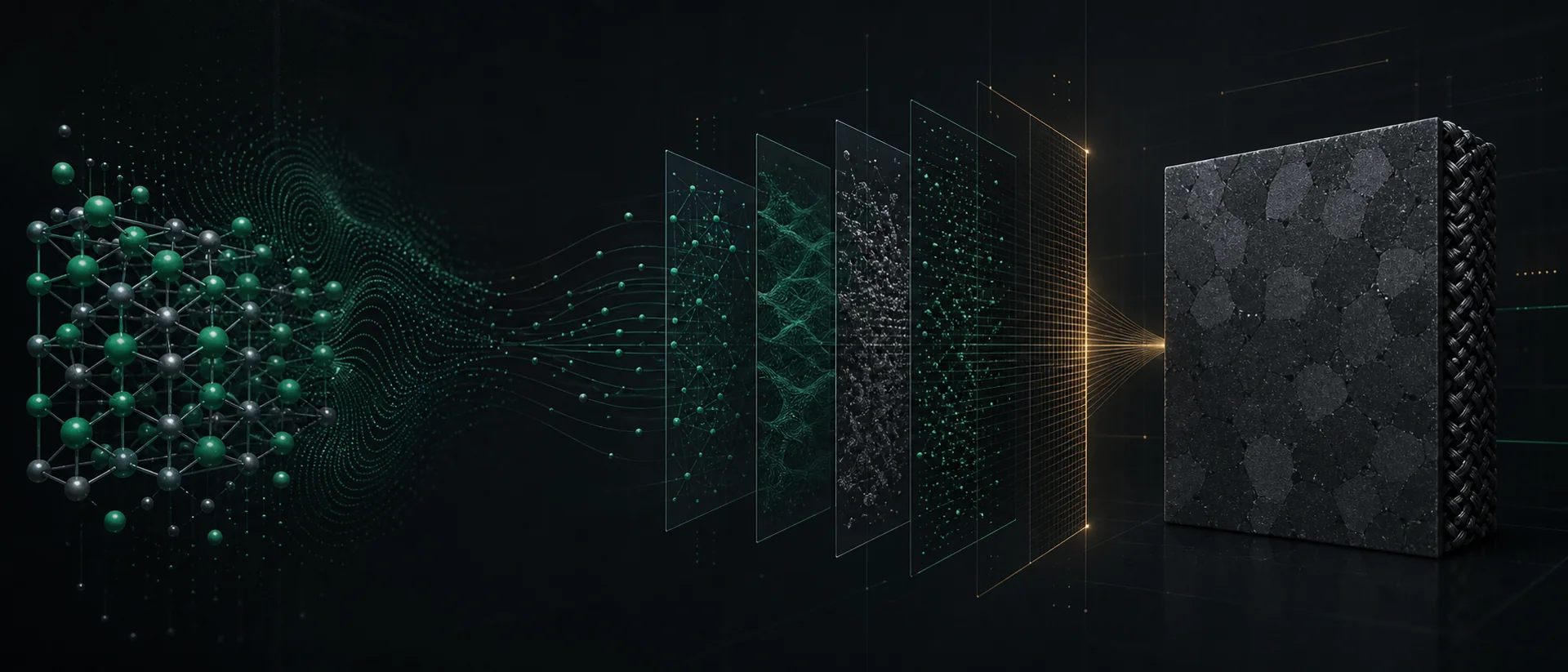 2026-09-20 · Reinventy
PRIMA is Reinventy's family of nine clean-sheet foundational material programmes designed inside Alchemi. Rather than optimizing a single known composition, the programme organizes distinct material hypotheses around target behaviours, manufacturability and evidence requirements. Each candidate advances through declared modelling, manufacturing and experimental gates, creating a traceable record of why it progresses, changes or stops. PRIMA is intended to make materials discovery more disciplined and easier to connect with real product constraints. Public information explains the programme architecture and evidence discipline; compositions, recipes, process windows, training data and proprietary candidate rankings remain confidential. Capabilities are design intent until supported by repeatable physical evidence.
Read the full technology profile → 2026-09-15 · Reinventy
Tin Man OS v0.7.0-rc.1 closes TMOS-7 as Reinventy's software-qualified release candidate for sovereign synthetic intelligence. The system is designed to move multimodal reasoning from an isolated model into a governed operational layer that understands hardware constraints, records evidence and can coordinate physical systems without surrendering control of sensitive data. Its architecture separates inference, policy, audit and machine interfaces so deployments can be qualified incrementally. Eight of nine programme tracks are complete; TMOS-8 physical qualification, production signing and the path to 1.0 remain active. Public descriptions cover capabilities, governance and qualification status, while model weights, orchestration policies, safety controls and implementation details remain protected.
Read the full technology profile →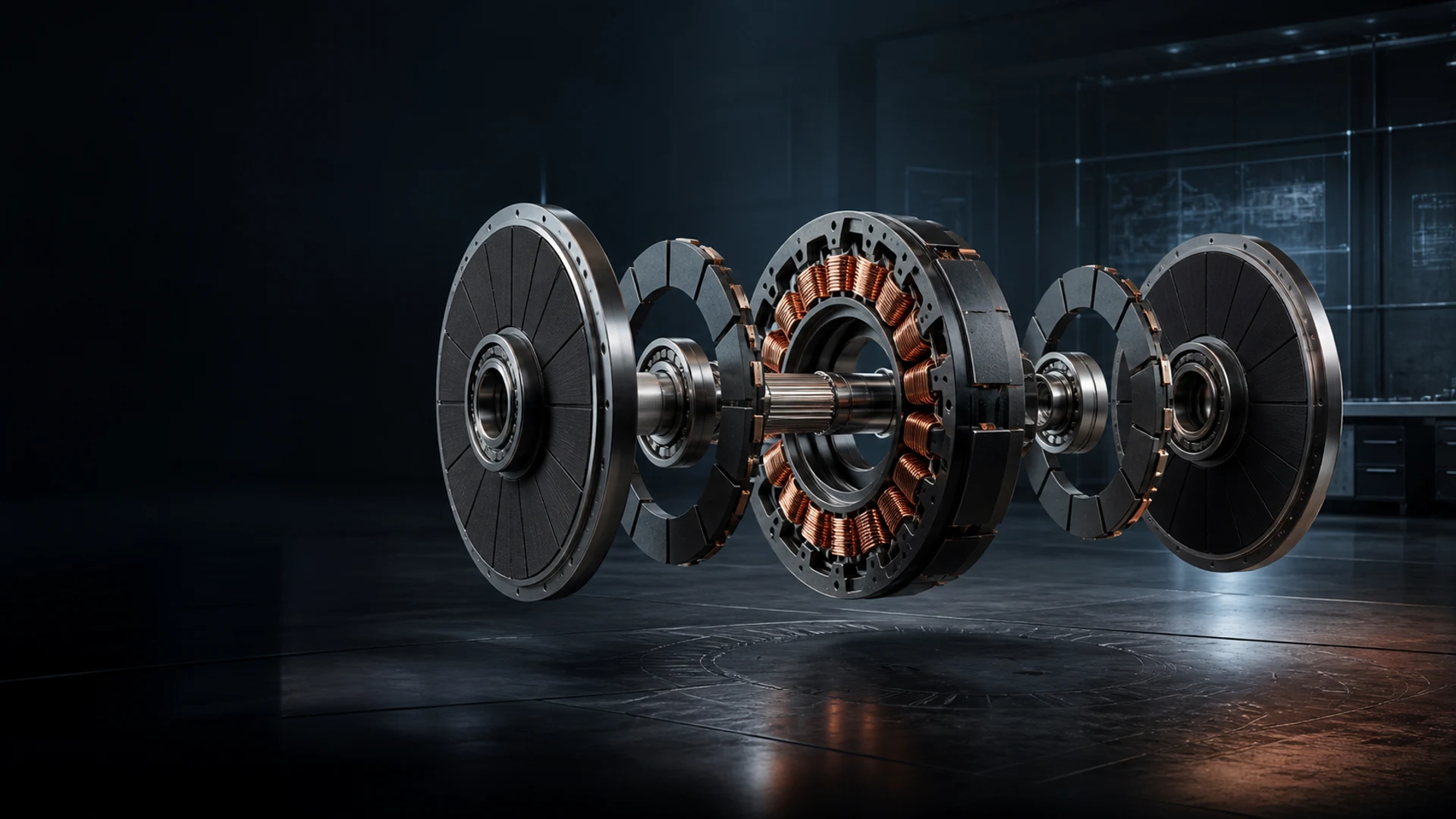 2026-09-07 · Reinventy
Project Daedalus forms part of that public engineering narrative. The announcement describes a traceability framework; it does not establish that every generated design is physically qualified.
Read the full technology profile →